

If you want the Tiger Egg in Steal an Egg, here’s the direct answer: there isn’t a separate item hiding somewhere under that exact name. What players are actually chasing is the Jungle Egg — the fourth biome’s shared nest — and Tiger is the headline Mythic pet sitting inside its pool. Push your Speed stat to at least 40,000, clear the Desert gate first, then steal an egg from the Jungle’s nest and outrun its guardian (a Tiger) back to your base before it catches you. Hatch it, and you land somewhere on an eight-pet ladder that runs from a $90/s Chimpanzee up to a $3.5 million/s King Snake, with Tiger itself commonly cited around $28,000/s.
Below is the full breakdown: why the name causes so much confusion, how the Jungle’s Speed wall actually plays out in practice, what’s really inside the pool, and where the numbers are still genuinely unconfirmed.
Why “Tiger Egg” Confuses So Many Players
Search the in-game Index or a community tracker for “Tiger Egg” and you’ll find the pet’s page labeled with an egg of the same name — a naming pattern the Steal an Egg community wiki applies across the board, where Sabertooth Tiger gets a “Sabertooth Tiger Egg” page and Toucan gets a “Toucan Egg” page. None of these are separate, individually farmable items. Every animal in a biome pulls from the same shared nest, and which specific pet you get is decided at the hatch, not at the steal. In the Jungle, that shared nest is the Jungle Egg, and Tiger is simply the pet most players are searching for by name when they type “Tiger Egg” into Google.
That distinction matters in practice: you can’t walk into the Jungle and request a Tiger specifically. Every successful steal is a pull from the same weighted, eight-pet pool, whether you walk away with a $90/s Chimpanzee or the Tiger itself.
Where the Jungle Sits on the Map

Jungle is the fourth biome, unlocked after Forest, Lake, and Desert. Its guardian — the same Tiger the headline pet is named after — chases down anyone who grabs an egg from its nest, and getting tackled means dropping the egg on the spot for another player to pick up. That “guardian shares a name with a huntable pet” setup repeats across most of the map — Snow’s Yeti guards its biome and is also a hatchable Secret-rarity pet — so seeing “Tiger” twice on the same biome page isn’t a mistake, it’s how the progression is built.
The 40,000 Speed Requirement (and Why It’s a Floor, Not a Safe Number)
40,000 Speed is the figure most consistently cited as the Jungle’s entry requirement, sitting well above Desert’s 10,000 and well below Snow’s 170,000. That said, several community trackers report the comfortable number is closer to 60,000–100,000, since the listed threshold gets you into the biome — it doesn’t guarantee you escape the Tiger’s chase with an egg still in hand.

After running the Jungle nest across multiple resets, the pattern holds up consistently: carrying an egg slows your movement, and the heavier the egg, the more it drags your escape speed on the way home. Training past 40K rather than stopping right at it is usually the difference between a clean pickup and getting tackled two steps from your pen.
Speed at this stage of the game comes from the same core sources as everywhere else:
| Source | What It Gives |
| Treadmill training | Speed per session, upgradeable at your base |
| Trails | A flat multiplicative movement boost |
| Free rewards panel | A one-time 10,000 Speed for liking, favoriting, and joining the game’s group |
| Index rewards | Speed + cash paid out the first time you hatch a new pet |
Everything Inside the Jungle Egg Pool
Here’s the full eight-pet lineup, with income figures as reported by the game’s Pet Index and cross-checked against multiple trackers:
| Pet | Rarity | Base Income |
| Chimpanzee | Rare | $90/s |
| Toucan | Rare | $110/s |
| Crocodile | Epic | $420/s |
| Gorilla | Legendary | $4,800/s |
| Orangutini Ananassini | Legendary | $5,500/s |
| Spider | Mythic | $22,000/s |
| Tiger | Mythic | $28,000/s |
| King Snake | Secret | $3,500,000/s |
Worth flagging honestly here: at least one independent pet tracker still lists Tiger’s exact rarity and income as unconfirmed, even though the ~$28,000/s Mythic figure shows up consistently across the game’s community wiki and several other sources. Treat that number as the best current community estimate rather than a developer-published guarantee until more trackers converge on it.
King Snake is the outlier by a wide margin — a Secret-rarity pull worth roughly 125 times the Tiger’s income — and it’s the real reason serious players camp Jungle resets rather than pushing straight through to Snow.
What Tiger Actually Pays Out
Beyond its base income, Tiger’s Index entry lists a one-time first-hatch reward of +14,400 Speed and $2.8 million, plus a hatch time of roughly 6 minutes once the egg is safely home. That Speed reward alone covers more than a third of what you needed to enter the biome in the first place, which is part of why clearing Jungle properly — rather than rushing through it — tends to pay off before you push toward Snow’s 170K wall.
Do Size and Mutations Change What Tiger Earns?
Yes, at least in principle. The $28,000/s figure is a base number at default size with no mutation applied — the same baseline convention the game’s Index uses for every pet, from Common all the way up to Divine. Size stacks multiplicatively on top of that base rate, and any mutation you land on a Tiger multiplies it further, the same system already documented on higher-rarity pets elsewhere in the game. Specific mutation multipliers for Tiger itself haven’t been individually published the way they have for some Eternal and Divine pets, so treat $28,000/s as your floor rather than your ceiling if you’re projecting real income from a mutated Jungle pull.
How the Steal-and-Escape Run Actually Plays Out
Like every nest in Steal an Egg, the Jungle’s egg spawns reset on a five-minute timer, with a brief window between cycles where the map closes. The moment you pick up an egg, the Tiger guardian aggros immediately — there’s no delay to reposition or plan your route afterward, so the smart move is deciding your exit path before you touch the nest, not after.
Get caught, and you ragdoll and drop the egg on the spot, handing anyone nearby a free pickup. Cross back into your base’s boundary, and the Tiger breaks off and returns to its nest. There’s no partial credit for almost making it home.
Is King Snake Worth Camping Jungle For Instead of Tiger?

If pure income is the goal, yes — King Snake’s $3.5M/s dwarfs everything else in the pool, Tiger included. But you can’t choose which pet a hatch produces, so “camping for King Snake” really means running the Jungle nest across several five-minute resets and accepting Chimpanzee, Toucan, or Crocodile pulls along the way. Players who mainly want Tiger for its Speed reward and Mythic-tier income don’t need to camp nearly as long, since it appears to sit higher in the pool’s likely weighting than the Secret-tier King Snake.
Common Mistakes That Cost Players Their Jungle Run
- Entering at exactly 40K Speed. It clears the gate, not the chase — the Tiger guardian is tuned to punish anyone who stops right at the minimum.
- Not planning an exit route first. The guardian aggros the instant you grab an egg, and there’s no pause to reorient afterward.
- Rushing Jungle without banking Desert’s free Speed. Skipping the treadmill grind and free rewards panel along the way leaves you under-leveled for the chase.
- Assuming a specific pull is guaranteed. There’s no way to target Tiger over the other seven pets in the pool — every steal draws from the same weighted list.
- Quoting unverified numbers as fact. Tiger’s exact income figure still carries a caveat from at least one tracker; treat community numbers as working estimates until your own Pet Index confirms them.
Where Jungle Fits Into the Bigger Grind
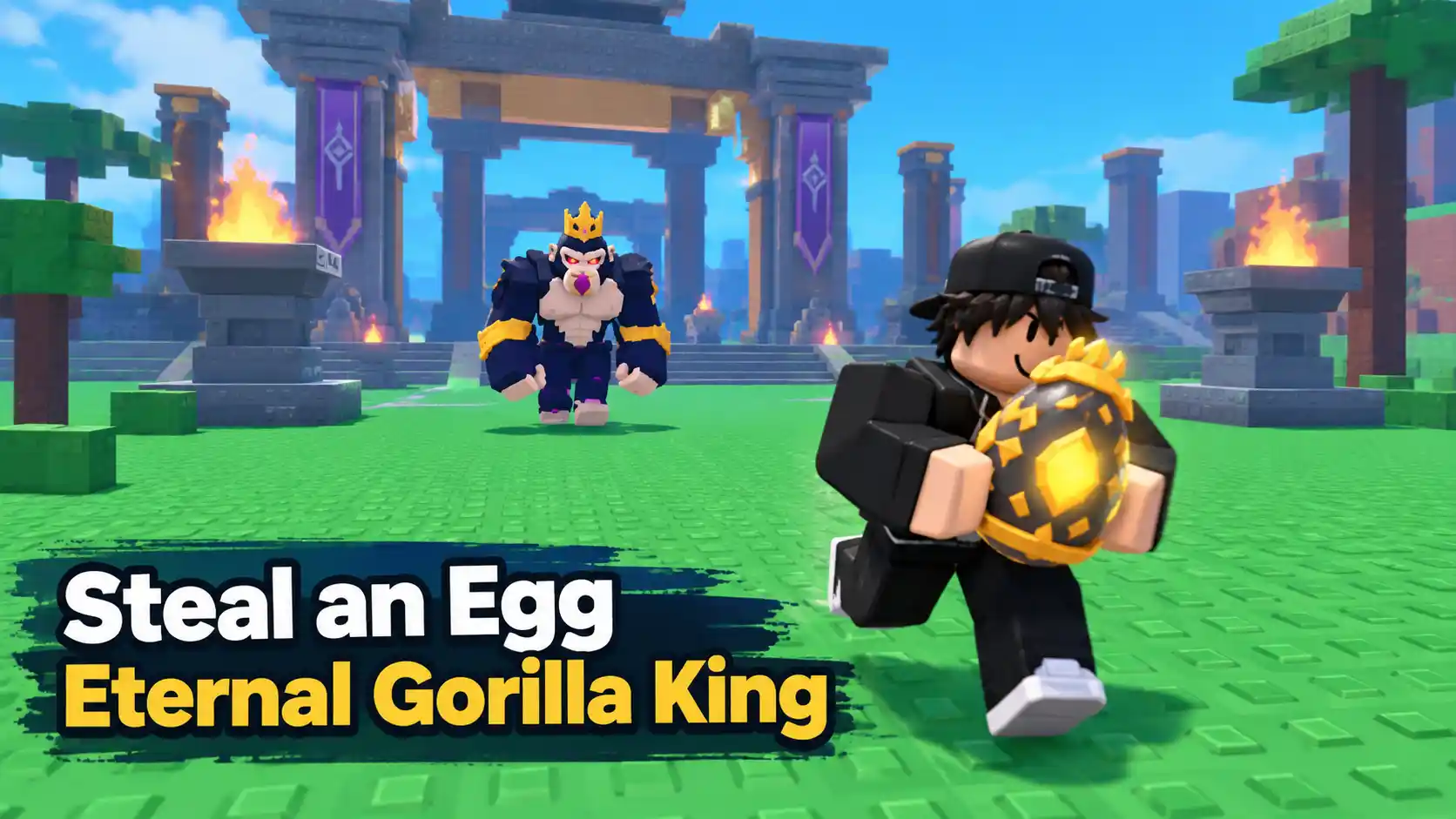
Jungle is early-to-mid game by Steal an Egg‘s standards — Desert comes right before it, and Snow’s 170,000 Speed wall comes right after. The real gap opens up much later: Titan Temple’s Eternal Gorilla King sits at a fraction of the Speed cost of the endgame Angel Egg grind, which itself needs 20 billion Speed just to attempt safely.
If you’re farming past the biome-stealing loop entirely, the Rift Event adds a separate boss-fight system built around its own Boss Tokens currency, and its Shattered Rift Egg is currently one of the only other routes to a Divine-rarity pull outside the endgame biomes. Both of those systems, along with the newer Angels & Demons zone, shipped alongside Update 4 — and if you want the full picture of how sharply Speed requirements have climbed release over release, the complete update timeline tracks every biome the game has added since launch.
Frequently Asked Questions
More From Lootester
Still grinding through the Jungle? Here’s what else is worth reading across Lootester right now.