


Most players hit a wall in Grow a Garden around the same point: their farm is full, Sheckles are trickling in, and the gap between “casual player” and the gardens flexing hundred-million valuations in the trading Discords feels impossible to close. It isn’t. What actually separates those two groups almost never comes down to luck — it comes down to a handful of decisions repeated correctly, harvest after harvest.
This guide walks through how that gap actually gets closed, based on what consistently works across live servers rather than theory.
Stop Treating Every Crop the Same Way
New players tend to plant whatever’s in the shop and sell it the moment it’s ripe. That habit alone is the single biggest thing capping early income. Cheap crops like carrots and strawberries are fine for the first hour, but every Sheckle you put into them past that point is a Sheckle not compounding into something bigger.
The shift that actually moves the needle is switching to base price efficiency — buying seeds where the payout-to-cost ratio holds up even before any mutation touches the crop. Sunflower, Watermelon, and later Mushroom and Moonglow all hold their value far better than the shop’s cheaper filler seeds, and they’re the ones worth building a garden plot around once you’re past the tutorial phase.
Gear Is What Actually Multiplies Your Time
A lot of guides skip straight to mutations, but gear is what decides how many mutation-eligible harvests you get in the first place. A Sprinkler running constantly does more for your long-term Sheckles-per-hour than any single lucky mutation, simply because it’s working every second you’re logged in — and in some cases while you’re offline too.
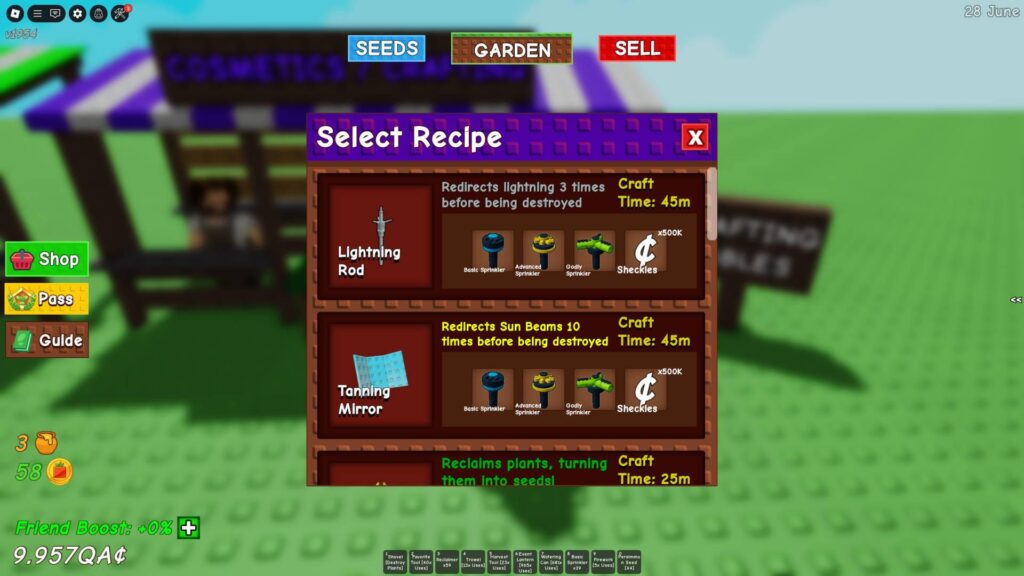
If you’re not sure which tools are worth saving up for versus which ones are early-game filler, our gear tier list breaks down exactly what each item does and where it stops being worth the Sheckles.
Mutations Are Where the Real Multipliers Live
This is the part that actually changes your income bracket. A base crop with no mutation is just inventory. The same crop with the right mutation can be worth 20, 50, even over 100 times more — and the multipliers aren’t evenly distributed, so knowing which ones to chase matters more than farming volume.
Here’s roughly how the major mutations stack up in terms of sale value:
- Gold – around a 20x multiplier, roughly a 1-in-100 chance per crop
- Wet – doubles a crop’s value, tied to rain weather
- Shocked – close to 50x, triggered by rare thunderstorm weather
- Rainbow – one of the rarest natural mutations, with a payout to match its scarcity
- Aurora – around 89x, tied to the Aurora Borealis weather event
- Voidtouched – roughly 135x, only obtainable during the Black Hole admin event
The catch is that most of the highest multipliers are locked behind admin-triggered or weather-based events rather than something you can farm on demand. That’s exactly why timing matters as much as the crops themselves — which is the next piece of this.
Timing Beats Grinding
Players who treat Grow a Garden like a slot machine — planting constantly and hoping for mutations — earn less than players who plant heavy right before a known event and just wait. If a Thunderstorm or Black Hole event is announced, your best move is often to hold off harvesting anything until it hits, then clear your entire garden in one sweep once the mutation window opens.
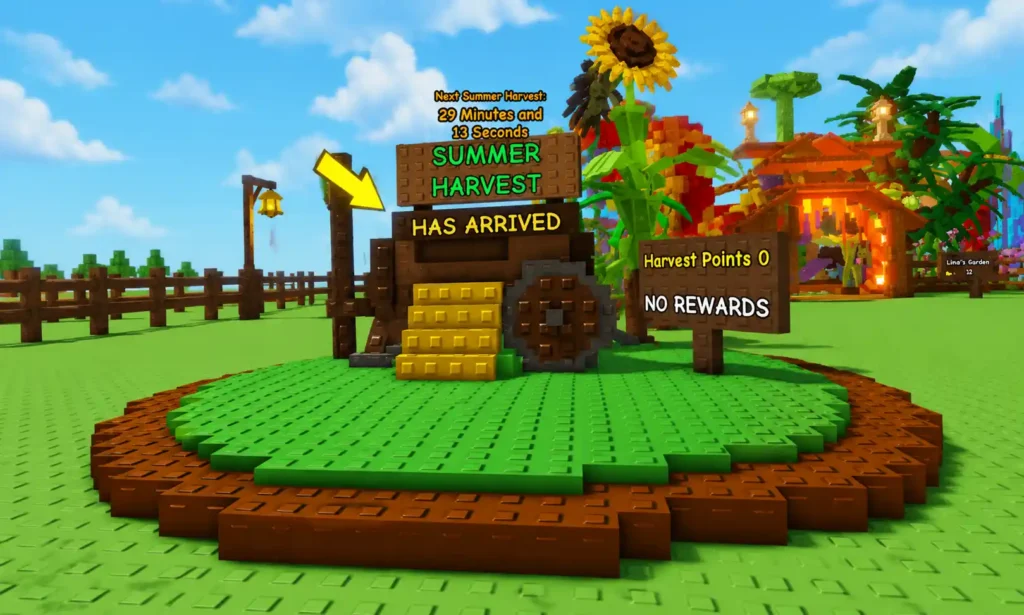
Seasonal content makes this even more lucrative. During the High Tide Harvest event, for example, the reward curve is built around exactly this kind of stacked timing rather than raw farming speed. The same logic applies to most of the game’s recurring events — the players earning the most aren’t the ones online 24/7, they’re the ones online at the right ten minutes.
Let the Garden Work Without You
Once your setup is solid, the next jump in income comes from passive infrastructure — things that keep generating value while you’re doing something else entirely. The Tiki Totem is a good example of this: it doesn’t out-earn active farming, but it fills the dead time between your sessions, which adds up over a week far more than most players expect. If you haven’t looked into how it fits into a passive setup, the Tiki Totem guide covers exactly where it earns its keep.
Pets that apply mutations passively work the same way. A pet with even a modest chance to trigger something like the Tidal mutation on nearby crops is quietly doing the work of a lucky weather roll, just spread out over time instead of concentrated into one event.
Where Players Quietly Lose Sheckles
A few habits keep showing up in gardens that are earning far less than they should be:
- Selling mutated crops the instant they’re harvested instead of checking if a rarer mutation is close to triggering on the same plant
- Ignoring event announcements entirely and missing multiplier windows that only last a few minutes
- Overinvesting in decorative or purely cosmetic plots before the core earning setup is solid
- Spreading Sheckles thin across too many crop types instead of committing to two or three that actually perform
None of these are complicated fixes. They’re just the difference between a garden that grinds along and one that scales.
Grow a Garden has held some of the highest concurrent player counts ever recorded on Roblox, according to Wikipedia’s overview of the game — which is part of why the trading and farming meta shifts so often. Strategies that work today may get adjusted with the next patch, so it’s worth treating this as a foundation rather than a fixed formula, and checking back in with the community when a new update lands.
Frequently Asked Questions
Gear Tier List 2026: All Gear Ranked & Best Tools
Read Guide
Events 2026 Guide: Complete Timeline & Rewards System
Read Guide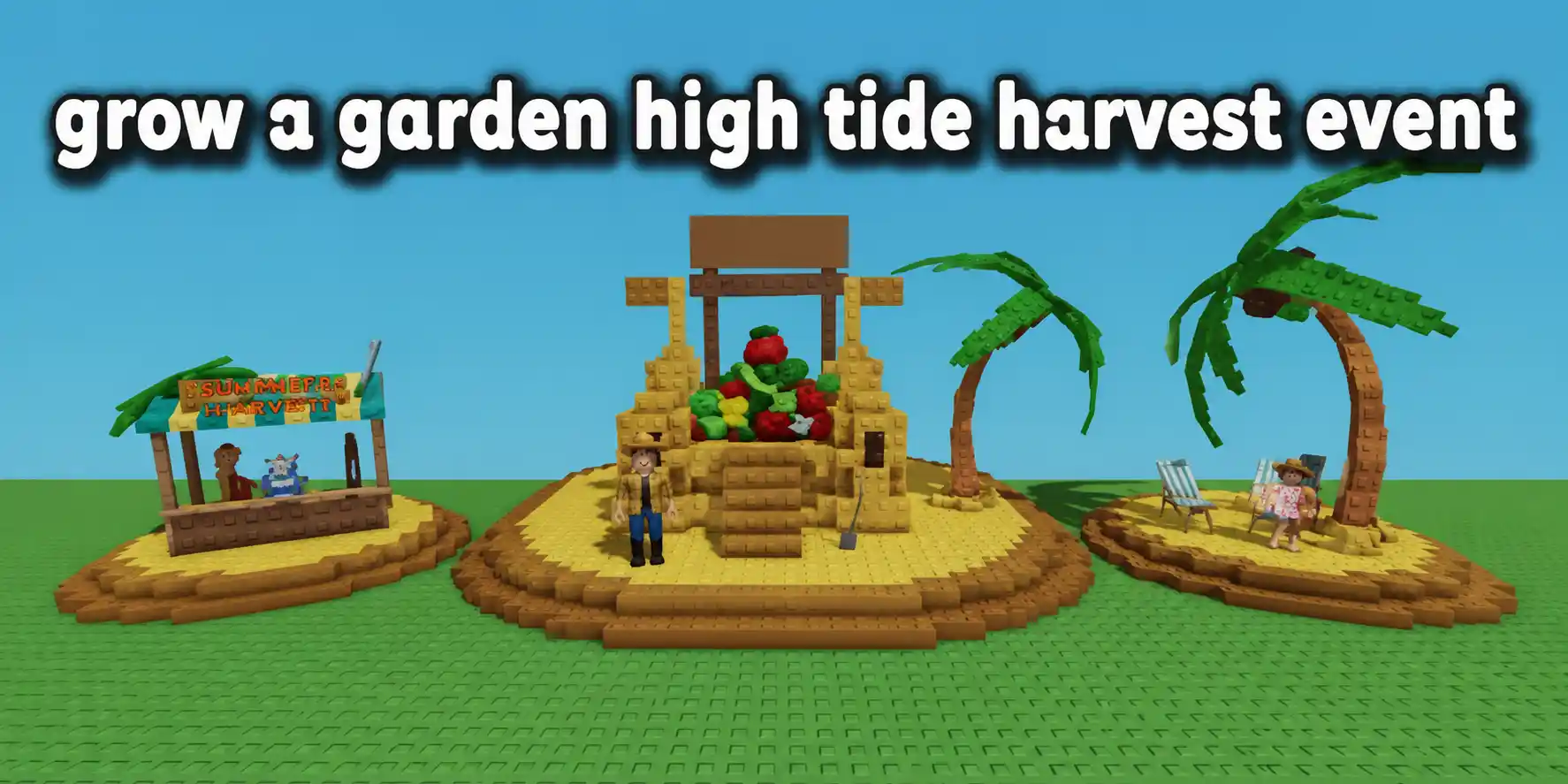
High Tide Harvest Event Guide: Seeds, Pets & Tiki Totem
Read Guide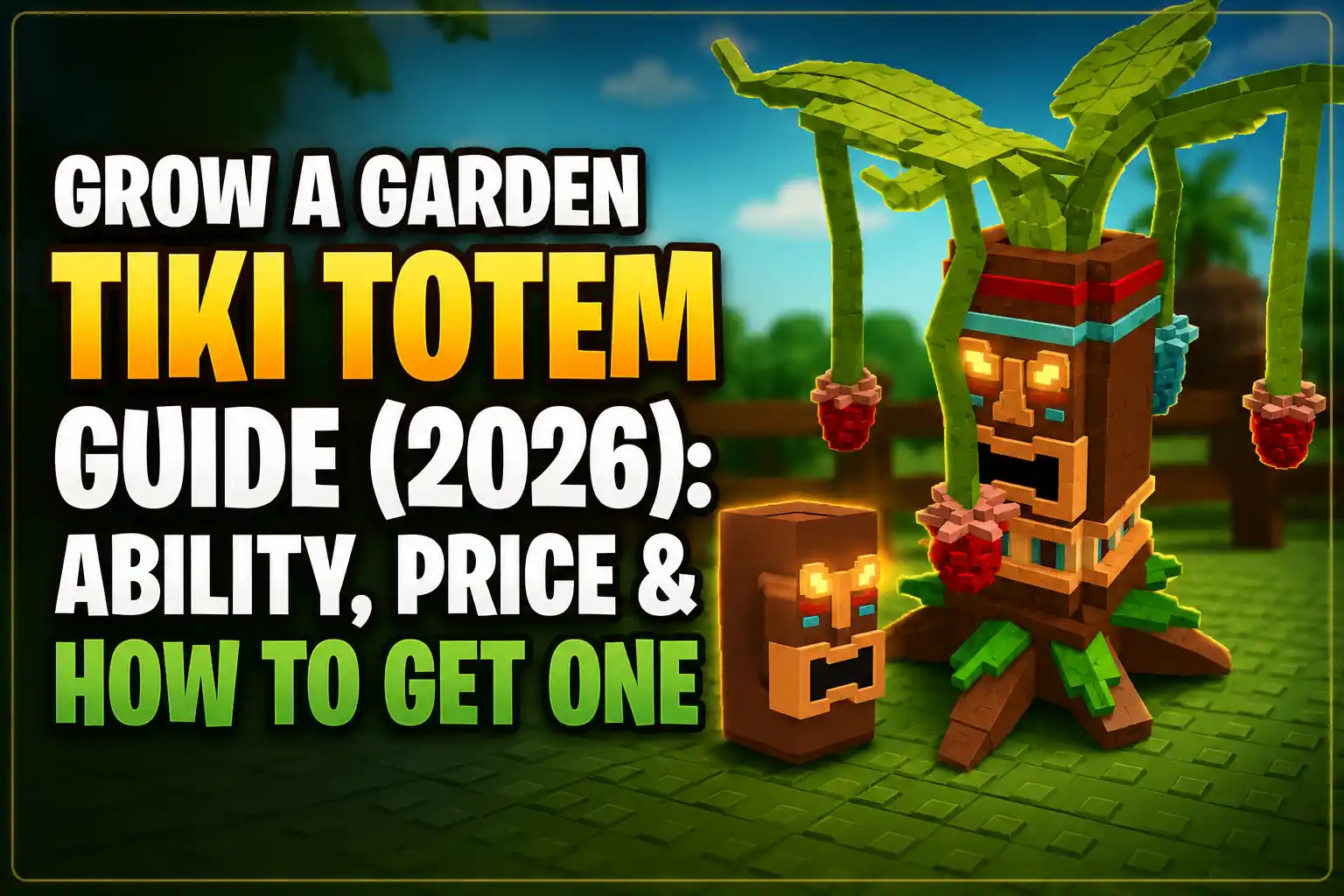
Tiki Totem Guide: Passive Mutation Farming (2026)
Read Guide